Maintaining Ownership and Control of Family Run Independent Music Festivals.
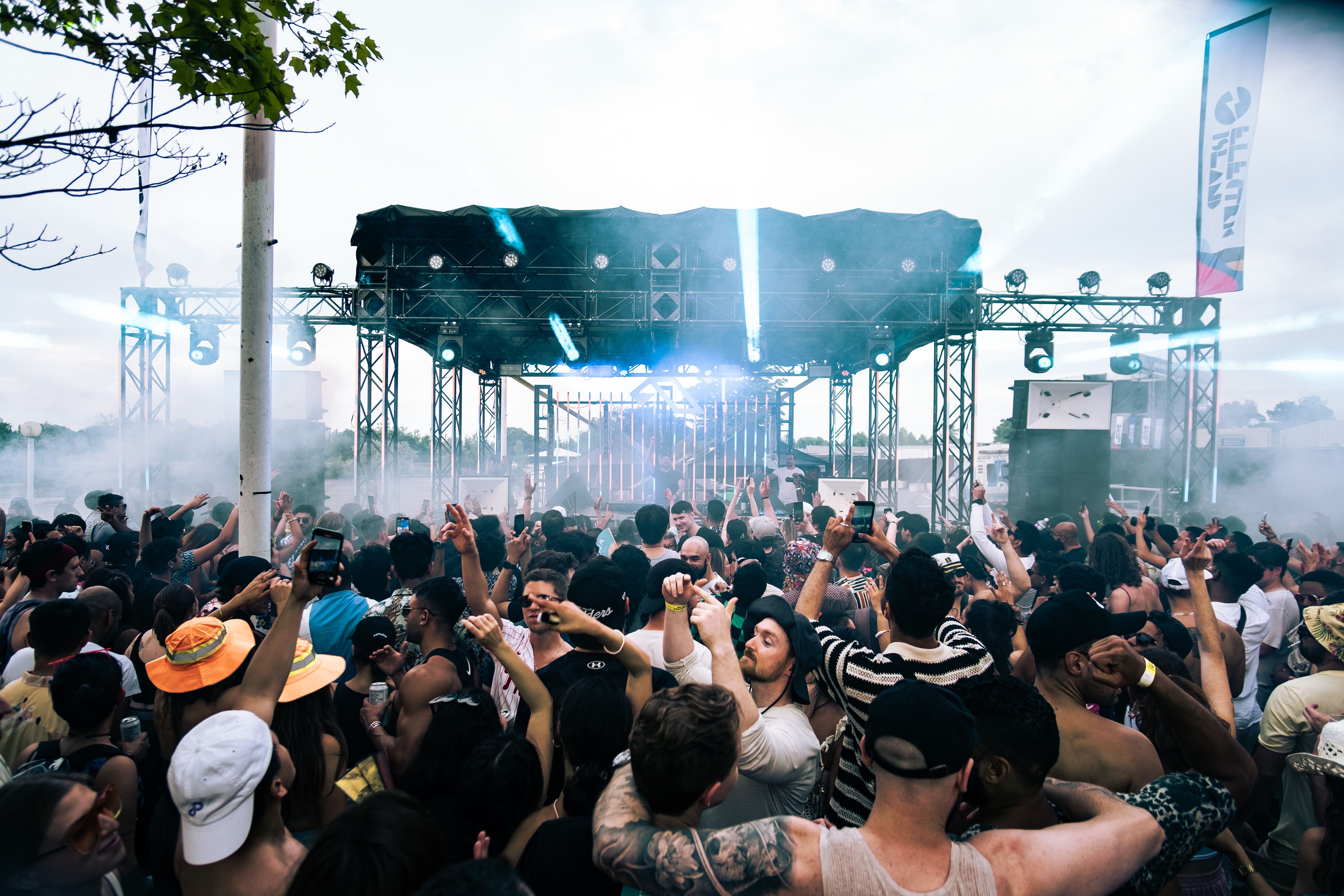
Mid-sized family run independent music festivals make up a significant proportion of the music festival sector. They are popular with festival-goers because of their independence and yet are facing mounting external challenges. How can these independent festivals survive and thrive under the ownership and control of a single family.
The music festival sector continues to experience consolidation as larger corporate players like AEG and Live Nation acquire more live events and festival entities. Other factors like rising operating costs and investment in infrastructure are putting additional pressure on independent festival owners to survive financially. However, there does continue to be a thriving independent music festival sector where owners have strived to evolve by staying relevant, operationally efficient and attractive to festival-goers. How can these long running independent festivals, often owned and controlled by a single family, adapt to survive amongst an increasing number of challenges.
The Mid-Size Independent Music Festival.
Usually defined as having anywhere between 10,000 and 50,000 attendees, these mid-sized festivals are generally large enough to need professional management with significant infrastructure but small enough to retain a distinctive identity and brand. The direct owner involvement enables them to make strategic and creative decisions rather than referring to corporate investors. They have strong links to local communities and usually employ a core permanent staff supplemented by contractors and volunteers. Family run festivals are heavily influenced by the owner's musical direction and define the curation criteria and genres presented.
Why Keeping Ownership and Control is Important.
Retaining ownership of a family run festival entity usually means that the key decisions are based on a long-term strategic view rather than short term profit maximisation. The strong links to local communities give owners credibility and authenticity helping to preserve the culture and identity of the festival. Family owners have the ability to make quick decisions without waiting for approval and ensure that they maintain flexibility in the curation process. It is not unusual for multi-generational family members to be involved with a festival which gives them greater commitment to long term survival.
Challenges.
The capital expenditure required by these mid-sized festival entities is an increasing concern for owners because production technology is evolving fast, and using the latest equipment is expected by artists and technicians. Infrastructure investment is often required to provide cashless payment systems, RFID capabilities for access control, and electronic ticketing. Having connectivity is seen as an essential part of attending any music festival, and owners need to provide this with high levels of cybersecurity measures in place. Other key infrastructure investments can relate to security, crowd safety, and implementing sustainability initiatives, for example. The growth in the large corporate live event operators is making it more difficult to compete where some of these entities have exclusive artist deals, making it impossible to curate them for independent festivals. In addition, the corporate operators sometimes have greater leverage with sponsors and can operate economies of scale in marketing practices and in ticket pricing. Independent festivals are always exposed to threats from poor weather, artist cancellations, regulatory changes, rising operational costs, and ticket sales fluctuations. If the owners have limited cash reserves, these issues can be devastating and threaten the survival of the festival itself.
Succession Planning.
Numerous family run independent music festivals were created decades ago and when the original founder approaches retirement, they want to hand over control to another family member. Sons and daughters of founders often start getting involved with the operational aspects of the festival from an early age (teenagers). This enables them to learn the intricacies of running the event and if combined with formal leadership and management training can successfully groom them for the future. A formal succession plan that stipulates what family members are expected to learn over a given time can ensure a successful transition. This can include formal mentoring programmes, building knowledge documentation, and ownership transfer structures. It is not unusual to see a family run festival to state that the original founder and their adult children jointly manage and direct an event.
Survival.
Successful survival of the family-owned music festival requires formal shareholder agreements with clearly defined family roles and documented decision-making processes. Other factors that contribute to long term survival are the ability to separate ownership from day-to-day management where owners focus on long term planning and brand stewardship whilst managers focus on day-to-day operations and commercial execution. Robust financial planning with great cash flow can assist long term survival where year-round revenue is generated from merchandise sales and corporate events, for example. Where possible owners should avoid over leveraging the festival entity by borrowing large sums where family assets can be exposed, for example. Investing in the latest technology can increase efficiency and if done well will preserve the festival's authenticity. An event management software solution like Festival Pro can give owners access to a wide raft of advanced operational and logistics features and functions without requiring large sums of investment.
For festival organisers planning their next event using a software management platform like Festival Pro gives them all the functionality they need manage every aspect of their event logistics. The guys who are responsible for this software have been in the front line of event management for many years and the features are built from that experience and are performance artists themselves. The Festival Pro platform is easy to use and has comprehensive features with specific modules for managing artists, contractors, venues/stages, vendors, volunteers, sponsors, guestlists, ticketing, site planning, cashless payments and contactless ordering.
Image by Nicholas Derio Palacios via Pexels
<< Back to articles
Contact us
Get in touch to discuss your requirements.
US: +1 424 485 0220 (USA)
UK: +44 207 060 2666 (United Kingdom)
AU: +61 (2) 8357 0793 (Australia)
NZ: +64 (0)9887 8005 (New Zealand)